

Sewer Line Repair in Mundelein, IL – What Every Homeowner Should Know Before Calling a Plumber
Most homeowners in Mundelein, IL never think about the sewer line running beneath their yard until something goes seriously wrong. A backed-up toilet, slow drains throughout the house, or a soggy patch of grass that smells like sewage – these are the moments when that buried pipe suddenly becomes the

Common Plumbing Problems in Barrington Homes (And How to Fix Them)
Common Plumbing Problems in Barrington Homes (And How to Fix Them) Call Now Homeowners in Barrington, IL often deal with a range of plumbing issues due to aging infrastructure, seasonal temperature changes, and hard water conditions common throughout Lake County. Understanding these problems early can help prevent costly repairs and
How to Prevent Grease Build Up in Pipes During Winter
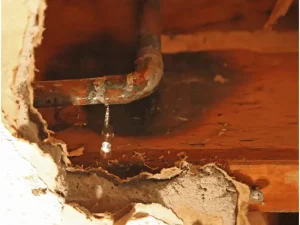
Quick Answer: To prevent pipes from clogging with grease in winter, never pour cooking oil or hot grease down the drain, wipe pans with paper towels, use a drain screen, and rinse with hot water plus dish soap after greasy meals. Cold weather makes fats, oils, and grease (FOG) harden
Sump Pump Float Switch Not Working and Causing Cycling Issues
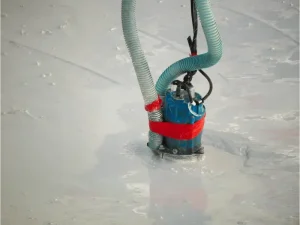
Quick Answer: Sump pump float switch not working usually means the switch can’t reliably detect changing water levels, so the pump fails to start, runs too long, or cycles on and off unnecessarily. The most common causes are a stuck or mispositioned float, debris or sediment preventing movement, or electrical
Why Is My Sump Pump Short Cycling and What Does It Mean?
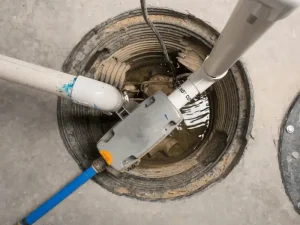
Quick Answer: Sump pump short cycle usually means the pump is turning on and off too fast because the basin water level is triggering the float switch repeatedly, or water is rushing back through a failing check valve. Short cycling can be normal during a heavy storm, but frequent on/off
How Far Can Sump Pump Push Water and Why Slope Matters
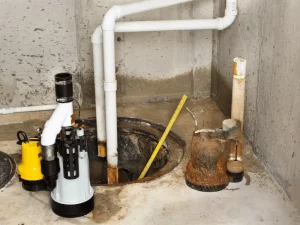
Quick Answer: A sump pump can push water depending on a combination of vertical lift, horizontal distance, pipe diameter, fittings, and total dynamic head (TDH). Most residential sump pumps can move water 10-20 feet away from the foundation reliably, but that distance decreases as vertical height, tight bends, or undersized